Your Essential Guide to Smarter Recycling

Helping you make informed decisions about recycling and waste reduction with clear, actionable guidance.

Why Recycle?

Recycling is more than just sorting your trash—it’s a critical step in reducing pollution, conserving natural resources, and lowering greenhouse gas emissions. By recycling, you’re actively contributing to a healthier planet. Our mission is to make recycling easy and accessible for everyone by breaking down the process and providing reliable information.


our beliefs

We’re passionate about protecting our environment.

Our goal with The Recycle Guide is to provide you with relevant, accurate, and unbiased information about recycling. We believe that at the core of recycling is an individual’s choice. Your daily choice to reduce waste, reuse various materials, and recycle items instead of throwing them in landfills is what makes recycling programs work. Let’s get started learning and working together!
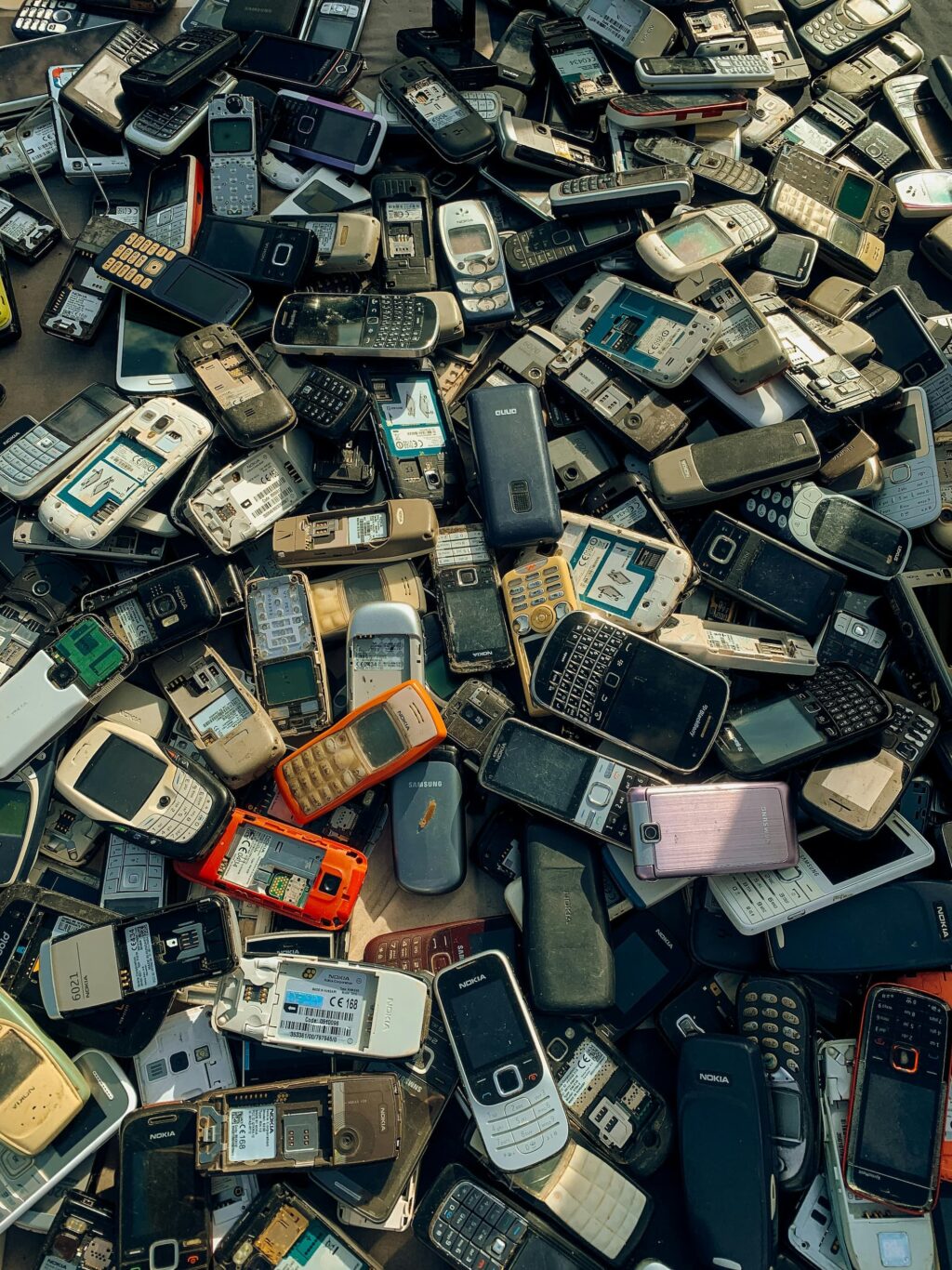
  • We are committed to helping you understand how to recycle your electronics safely and efficiently, preserving the environment while making the most out of these materials.
Electronic Recycling

Responsible Disposal of Your Old Electronics

As technology evolves, the lifespan of electronic devices shortens, leading to an ever-growing need for responsible disposal. Electronic waste, or e-waste, contains valuable materials as well as harmful substances that need to be handled properly.
  • Computers & Laptops
  • Mobile Phones & Tablets
  • Televisions
  • Printers & Scanners
  • And more!
LEARN MORE

What Can You Recycle?

Frequently Asked Questions (FAQs)

The Recycle Guide is your essential resource for smarter recycling and waste reduction. We provide clear, actionable guidance to help individuals and businesses make informed decisions about reducing waste, reusing materials, and recycling responsibly. Inspired by waste industry innovator John D. Arwood, our platform draws from reliable sources like U.S. government agencies, the Environmental Protection Agency (EPA), and local waste departments to offer unbiased information on recycling practices.

Recycling helps reduce pollution, conserve natural resources, and lower greenhouse gas emissions. By choosing to recycle instead of sending items to landfills, you contribute to a healthier planet. We emphasize that small individual choices—like reducing waste and reusing materials—can have a big impact on environmental protection and sustainability.

We guide you on recycling a wide range of electronics to ensure safe and efficient disposal. This includes mobile devices such as cell phones, smartphones, tablets, laptops, and pagers, as well as other items like desktop computers, monitors, keyboards, printers, copiers, chargers, rechargeable batteries, single-use batteries, lithium-ion batteries, alkaline batteries, flat-screen TVs, CRT TVs, DVD players, VCRs, small home appliances, audio equipment, gaming consoles, and wearable tech. Proper recycling prevents hazardous materials like lead, mercury, and cadmium from harming the environment.

To recycle your old cell phone, tablet, or similar mobile device, start by performing a factory reset to wipe personal data. Separate components like batteries, chargers, and cords for better processing. Use our nationwide location search on the Locations page to find certified recycling centers, drop-off points, or collection events near you. You can also check retail drop-off locations like Best Buy or Staples, or participate in manufacturer take-back programs. Donating functional devices to charities is another great option we recommend.

Yes, laptops and pagers can be recycled through certified centers to recover valuable materials and avoid environmental harm. For laptops, ensure a factory reset and remove batteries if possible. Pagers, as older mobile devices, follow similar processes to cell phones. Visit our Electronic Recycling page for tips, and use our service to locate nearby recycling options that handle these items safely.

We offer a convenient nationwide search tool to find certified recycling centers for electronics, including mobile devices like cell phones, tablets, laptops, and pagers. Our partners ensure responsible handling of e-waste. Additionally, through our association with Arwood Site Services, we provide information on commercial dumpsters, roll-off rentals, compactors, and other waste management solutions to support your recycling needs.

Use our Locations page to enter your zip code or city and find certified recycling centers, drop-off points, or collection events nationwide. This tool is especially useful for disposing of electronics like cell phones, tablets, laptops, pagers, and other devices safely with trusted partners.

The Recycle Guide is inspired by John D. Arwood, President of Arwood Site Services, a Jacksonville, FL-based waste disposal and demolition company with over 30 years in the industry. John’s background in collecting and recycling materials like glass bottles, scrap metals, and wood fuels our commitment to environmental innovation, hard work, and community care.

Yes, we proudly support Waste and Recycling Workers Week, a 501(c)(3) non-profit organization dedicated to recognizing and celebrating the hard work of waste and recycling workers. Founded and personally funded by John D. Arwood, this initiative raises awareness about the industry and has received proclamations from hundreds of state governors, mayors, and city councils across the U.S. Visit wasterecyclingworkersweek.org for more details.

Before recycling, perform a factory reset on devices like smartphones, tablets, and laptops to erase personal data. Separate batteries, cords, and accessories. For batteries (rechargeable, lithium-ion, or alkaline), use designated drop-off points to prevent hazards. Our Electronic Recycling guide provides step-by-step tips to make the process easy and secure.

While our focus is on electronics like cell phones, tablets, laptops, and pagers, we also provide guidance on other waste management needs. This includes information on recycling shingles using roll-off dumpsters, sewage handling with portable toilets, and location-specific recycling like in Albuquerque, NM, where we highlight how recycling preserves resources and protects air, soil, and groundwater.

Through our partnership with Arwood Site Services, we offer commercial dumpsters, compactor rentals, roll-off dumpsters, portable toilet rentals, and curbside services with flexible pickup options. We also provide advice on recycling equipment, contract terms, reuse methods, and pricing to support businesses in reducing waste efficiently.

If you’re interested in becoming a sponsor or partner, visit our Sponsors page or fill out the form on the Contact page. We’ll respond promptly to discuss how we can collaborate on promoting recycling and environmental education.

Recycling electronics recovers valuable metals and plastics while preventing toxic substances from leaching into landfills. It conserves resources, reduces energy use in manufacturing new products, and supports a circular economy. We encourage using our resources to recycle items like cell phones, tablets, laptops, and pagers to maximize these benefits.

Costs can vary by location and item type. Many certified centers and retail drop-offs offer free recycling for items like cell phones and tablets, while larger items like TVs may have fees. Use our location search to find options near you, and check with specific centers for details.

At certified recycling centers, mobile devices like cell phones, tablets, laptops, and pagers are dismantled to recover materials such as metals, plastics, and glass. Hazardous components are safely disposed of, and reusable parts may be refurbished. This process ensures materials are reused, reducing the need for raw resource extraction.